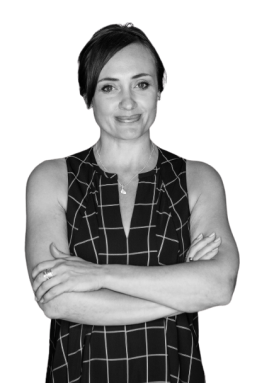
What Happens When You Find Your People with Denise Couzens


What Happens When You Find Your People: Denise’s Exhibition Story
Four years ago, Denise Couzens set up a table at a craft fair and started selling hand painted keyrings for three pounds.
People told her she was in the wrong place. That craft fair customers weren’t interested in art. That she wasn’t going to sell.
She did it for two years anyway. And then she kept going.
Going Against The Advice Of Others
Denise never followed the conventional path. No gallery submissions, no chasing algorithms, no ticking the boxes people tell you to tick when you’re trying to get your art out there.
Her approach was simpler and, as it turned out, far more powerful. She wanted to meet people. Face to face. She wanted her art to be affordable because she’d spent years looking at work in galleries she could never buy herself. And she believed, deeply, that art is for everyone.
So she started where she could. A craft fair table. Small pieces, keyrings, coasters, tote bags printed with her florals. Things that got her in front of people and gave them a reason to stop and talk.
And over time, something shifted. People started noticing her style. They started asking questions about how she worked. They started buying the real art alongside the smaller pieces. Trust built slowly and steadily in the way it only does face to face.
Then a connection she’d made years earlier with an artist called Beverly Perry opened a door she hadn’t expected. Denise had visited a tiny village in the Cotswolds called Lower Slaughter, the kind of place with hardly any parking and no shops but with a village hall that hosted a different artist every week. She reached out to Beverly and asked whether it was open to anyone.
Beverly said yes. Send me your work and I’ll be in touch when there’s a space.
That was four years ago. In January this year, the call came.
The Work She’d Been Keeping To Herself
For all those years at the craft fair, Denise had been painting things she thought people would buy. Safe choices that kept the pocket money coming in. And they sold. But at home there was a whole other body of work she’d never taken out. Pieces that had come from somewhere much deeper.
There was a series of six paintings she’d made sitting in her car during a rainstorm, watching water run down the windshield over a field full of poppies and lupins and snapdragons. She’d gone home and let those flowers come to life on wet paper. Loose, flowing, full of feeling. They’d been on her wall ever since.
She took them to the exhibition.
And they were the ones people stood in front of longest. Contemplating in silence. Feeling something they hadn’t expected to feel. A woman came in, stood in front of those paintings with her hand on her chest and started to cry. When Denise went over, the woman told her she couldn’t afford to buy the work. But she held Denise’s hand and said: I can see your soul. And it’s affected mine.
A ten year old girl negotiated with her father until he agreed to buy her a seventy pound painting. A Japanese woman bought a piece of lavender and talked about how flowers in her own country made her feel. People from all over the world, all ages, all walks of life, stopped and felt something.
What Was Happening Behind The Scenes
What makes Denise’s story sit with me is what she was carrying at the same time.
Her mum, 93 years old, had been having falls. Months of trips to A&E, difficult family conversations about care homes, fighting for funding that wasn’t there. The kind of weight that takes everything you have just to keep going.
In the past, Denise said, that level of stress would have meant no art at all. She simply wouldn’t have had the energy. But this time something was different. The art carried her through it. She’d sit down at the table not knowing what she was going to paint and just let something come. It was the one thing that took her somewhere else, even for just an hour.
She’d also had the foresight to have everything exhibition-ready by the end of June, two full months before the event. So when things at home got harder, the work was done. It was sitting there waiting. She didn’t have to think about it.
And when she came home from the exhibition and told her three daughters how it had gone, their response surprised her. She’d expected them to be wrapped up in their own lives. Instead they lit up. They were proud of her. They said, you deserve this, mum. Things, she admitted quietly, she hadn’t been saying to herself.
The Mindset Blocks She Had To Move Through
Denise is completely honest about the voices she was fighting the whole way through.
Her pieces were too small. Her prices were wrong. Her work was too niche, too floral, too simple. It would only appeal to a certain kind of person. A 60-something retired woman who wanted something pretty for the hallway.
None of it was true.
A ten year old girl. A retired headmaster. A woman from Japan. Tourists from all over the world. People who had never given much thought to English cottage garden florals before. They all came in. They all felt something. They all proved the voices wrong.
And that, Denise said, is the lesson she’s carrying forward. You cannot predict who your art is for. You cannot box in your audience before they’ve even arrived. What you can do is be brave enough to share the work that really comes from you and trust that the right people will find it.
Where She Goes From Here
Denise is going to keep doing the craft fairs. But she’s done holding the real work back.
She’s already started framing her originals, the pieces that have been sitting backed and bagged because she wasn’t sure anyone would buy them off a table. She’s going to put them out there now. Because she’s learned that someone will stop, and look, and feel something, and that is what it was all about from the very beginning.
She ended our conversation with the quote she put on the sign outside her exhibition. The one people stopped and read before they even walked into the room.
Beauty is everywhere. And the wonderful thing about beauty is it’s you who gets to find it.

Never miss a vlogcast episode again:
- YouTube: Watch the video above and subscribe to the United ArtSpace channel.
- Podcast: Click on the audio above to follow or share. You can also search for United Artspace wherever you listen to your podcasts.
- Email: Sign up to our mailing list here and receive links to our latest episode.
Have a great week & take care,
Michelle xo